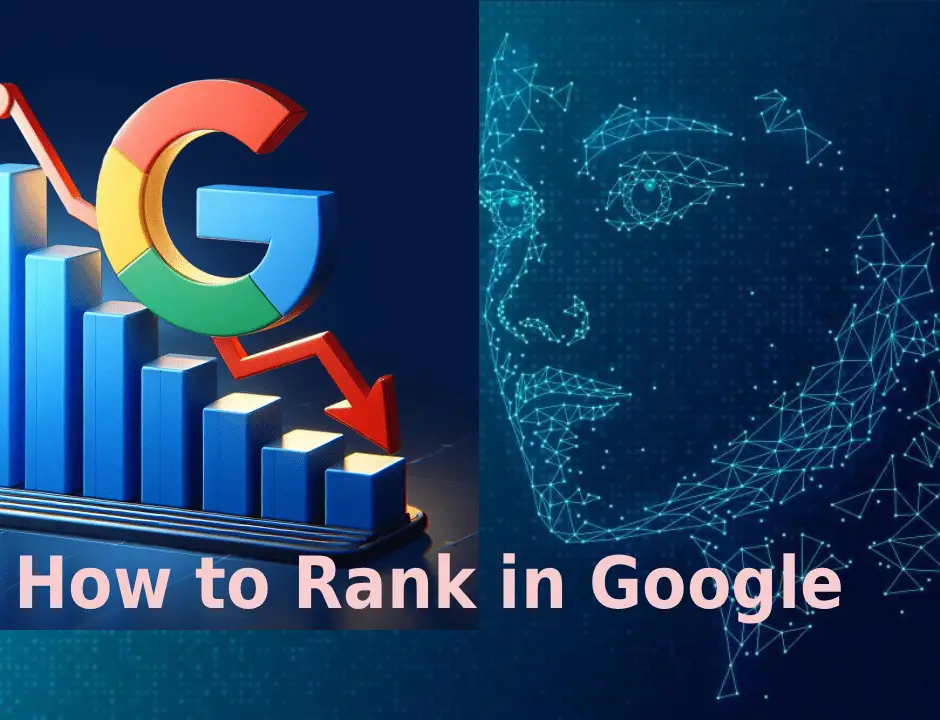
How to Rank in Google: This paper explores how artificial intelligence (AI) serves as a strategic asset in modern content marketing and search engine optimization (SEO). By examining current methodologies, theoretical models, and empirical data, we offer practical insights for bloggers looking to improve their search visibility. The study is divided into five key areas: evolving SEO algorithms, strategic AI integration for content, ethics, performance measurement, and future trends. Ultimately, we argue that while AI is incredibly powerful, its success depends on a balanced approach that combines technical skill, data analysis, and continuous learning.
How to Rank in Google your Blog with AI
1. Introduction
The digital publishing world has changed dramatically over the last few years, largely driven by the rapid rise of AI. Google’s search ranking system—which relies on a complex mix of over 200 signals—has grown increasingly sophisticated. It now demands that content creators be highly adaptable, not just high-quality. Traditional SEO techniques like keyword placement and backlink building are still essential, but they are no longer enough to win in a market crowded with automated content.
This is where AI comes in. By analyzing massive datasets, spotting patterns, and predicting user behavior, AI can help scale and refine content creation. This article How to rank in Google, demonstrates why incorporating AI into your blogging workflow is no longer optional, but vital for maintaining search visibility. We will look at how these tools improve relevance, boost technical performance, streamline planning, and provide clearer performance metrics.
2. The Evolving Landscape of Algorithmic SEO
Google’s algorithms are constantly updated to prioritize user intent, natural language processing (NLP), and context over simple keyword matching. Updates like BERT highlight this shift toward semantic understanding. Bloggers no longer need to rely on exact-match keywords; instead, they must focus on topical depth. Additionally, Google’s emphasis on E-E-A-T (Experience, Expertise, Authoritativeness, and Trustworthiness) underscores the need for genuine value.
AI supports this shift by helping creators analyze query intent, build comprehensive topic clusters, and avoid low-value, repetitive content. However, How to rank in Google, automation isn’t a silver bullet. Updates like Google’s ‘Helpful Content’ system actively penalize shallow, AI-generated filler. AI should enhance human creativity, not replace it.
3. Strategic Integration of AI in Blog Content Optimization3.1 Keyword Research and Topic Modeling
Platforms like Semrush and Clearscope use machine learning to map out keyword clusters and predict user intent using historical trends. For example, instead of targeting ‘machine learning’ broadly, AI can identify fast-growing subtopics like ‘healthcare applications of deep learning,’ aligning content directly with what readers are searching for.
3.2 Content Generation and Drafting
While generative tools like GPT-4 or Claude can quickly draft outlines or initial sections, they require heavy human editing. Human authors bring the necessary critical thinking, personal voice, and real-world experience that algorithms crave. This hybrid approach keeps content engaging while satisfying search engines.
3.3 Personalization and A/B Testing
AI helps optimize engagement through real-time feedback—like Clearscope’s content gap tools or split-testing platforms—allowing bloggers to continuously improve click-through rates and dwell time.
4. Technical SEO Enhancements via AI
4.1 Site Architecture Optimization
On the technical side, AI simplifies site maintenance. Crawlers like Screaming Frog use NLP to audit site architecture, highlighting broken links, orphaned pages, or duplicate content.
4.2 Image and Video Optimization
AI-driven compression tools like TinyPNG speed up load times without sacrificing image quality, while automatic alt-text generation improves web accessibility.
4.3 Backlink Analysis
For link building, platforms like Ahrefs analyze semantic relevance to suggest ethical, high-quality backlink opportunities, steering creators away from spammy tactics.
5. Measurement and Evaluation
Measuring ROI is much easier with modern tools. Google Analytics 4 uses machine learning to predict user behavior, helping bloggers map traffic growth to specific content changes. How to Rank in Google
6. Ethical Considerations
Ethical usage remains critical. Relying on unedited AI text risks search penalties and ruins reader trust. Transparency is key—disclose AI assistance where appropriate, and ensure compliance with data privacy laws.
7. Conclusion
Ultimately, AI represents a massive shift in how we approach SEO. When used ethically to support—rather than replace—human insight, it offers an incredible competitive edge. The future belongs to creators who learn to balance automated efficiency with authentic human perspective.
References
- SEMrush (2023). AI-Powered Keyword Research Report. Retrieved from Semrush
- Google (2024). Helpful Content Update: Overview. Retrieved from https://developers.google.com/search/blog/2024/09/helpful-content-update
- Clearscope (n.d.). Content Gap Analysis Tool. Retrieved from https://www.clearscope.io